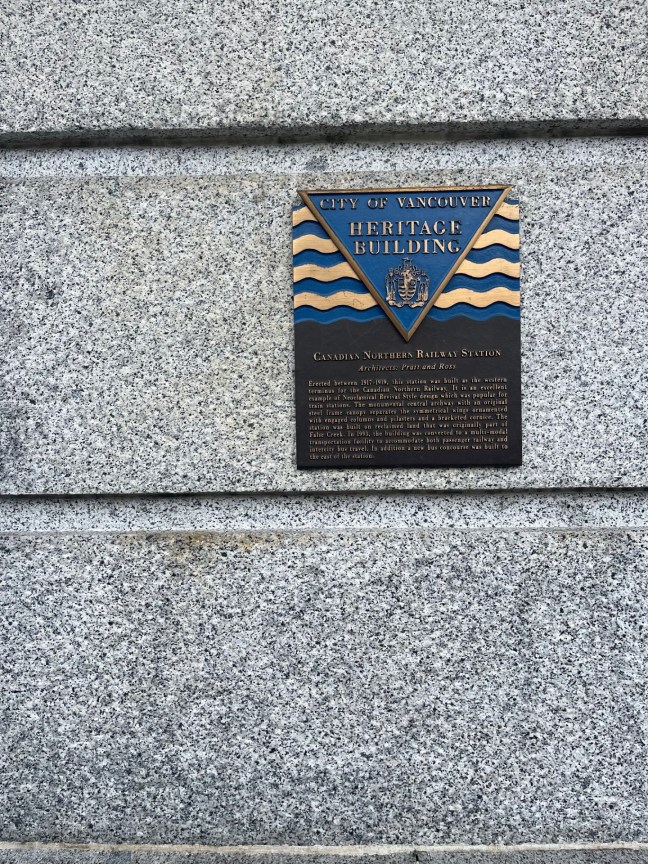
Canadian Northern Railway Station, Vancouver, British Columbia

Canadian Northern Railway Station Historical Marker, Vancouver, Canada

Vancouver’s Pacific Central Station is made from granite, andesite and brick. The station was opened in November 1919 from land that had previously been tidal mudflats. It was the western terminus of the Canadian Northern Pacific Railway. According to reports of the time, the cost of the station was estimated to have been as high as 1 million dollars.

In 1993, the station began offering intercity bus services as well. It is also the terminus for Amtrak and VIA Rail.

Historical Marker Inscription
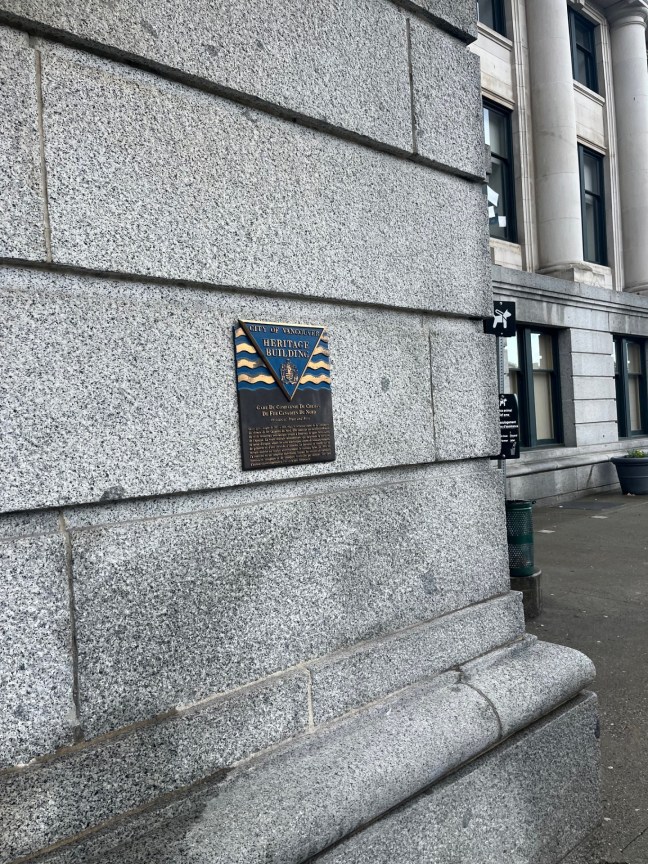
Canadian Northern Railway Station, Vancouver, British Columbia

City of Vancouver Heritage Building

Canadian Northern Railway Station

Architect: Pratt and Ross

Erected between 1917-1919, this station was built as the western terminus for the Canadian Northern Railway. It is an excellent example of Neoclassical Revival Style design which was popular for train stations. The monumental central archway with an original steel frame canopy separates the symmetrical wings ornamented with engaged columns and pilasters and a bracketed cornice. The station was built on reclaimed land that was originally part of False Creek. In 1993, the building was converted to a multi-modal transportation facility to accommodate both passenger railway and intercity bus travel. In addition a new bus concourse was built to the east of the station.

Location

49° 16’ 25.350” N, 123° 5’ 57.500” W

Thornton Park, 1166 Main St, Vancouver BC V6A 4B6, Canada
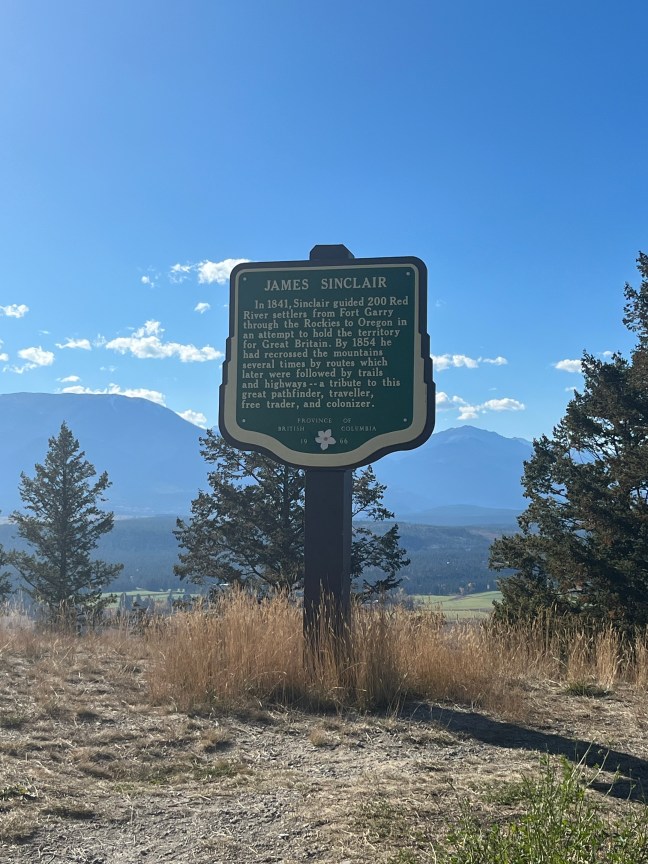
James Sinclair Historical Marker, Radium Hot Springs, BC

James Sinclair Historical Marker, British Columbia, Canada

James Sinclair began working for the Hudson Bay Company in 1826. He was the son of HBC officer Willian Sinclair. He initially worked at both Fort Albany and Chickney Goose Tent, located in Ontario.

In 1827, he relocated to the Red River Settlement in Manitoba and became a private trader. He later began fur trading, selling the furs back to the Hudson Bay Company. The goal was to keep American competitors from accessing the furs.

This is also the reason that the HBC wanted to reduce population growth in the settlement. To do this and improve Great Britain’s claim to the area, they arranged for a group of families to move into Oregon at the Columbia River. Sinclair was the guide who led the settlers through the plains and Rocky Mountains.

He would eventually move to the Oregon Territory, living in both Oregon and California. He would later become the head of HBC’s Fort Walla Walla. On March 26, 1856, he would be killed during an attack by Native Americans at the fort.

Historical Marker Inscription

In 1841, Sinclair guided 200 Red River settlers from Fort Garry through the Rockies to Oregon in an attempt to hold the territory for Great Britain. By 1854 he had recrossed the mountains several times by routes which later were followed by trails and highways — a tribute to this great pathfinder, traveller, free trader and colonizer.

Providence of British Columbia

1966

Location

50° 36’ 3.852” N, 116° 3’ 31.050” W

7875–7889 Highway 93, Radium Hot Springs BC V0A 1M0, Canada