
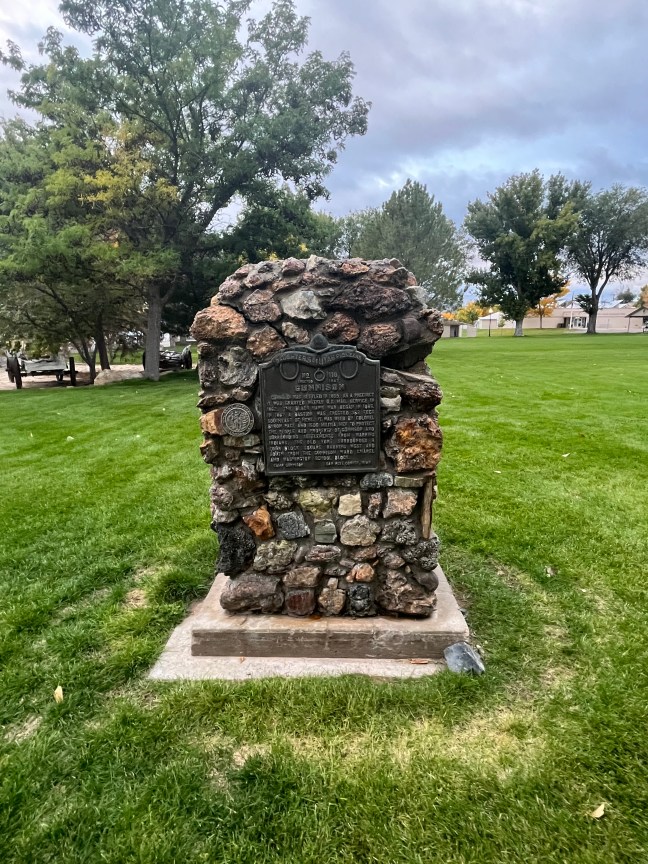
Named after Captain John W. Gunnison, an explorer responsible for finding a railroad route through the Rocky Mountains, the town was settled in the spring of 1859 by a group of Mormons. They were led by Bishop Jacob Hutchinson and directed to name the town by Brigham Young.
The original site of the town was located in a swampy area that was extremely muddy. When Brigham Young came to the area for a second visit in 1862, he recommended moving the town to its present location. The new location didn’t have a water source so the first task was to dig a ditch from the river to the town.
The early settlers came into conflict with the local Native Americans during the Black Hawk War. Some settlers died during the conflict, but the majority stayed and thrived.
Agricultural activities have been the main staple of the area since its inception. Sugar beets, which can be turned into sugar, were a main export. By 1900, due to the construction of the railroad, the population had doubled. Gunnison officially became a town in 1893.
In present times, cattle, dairy, small grains and alfalfa provide the main sources of income for the valley.
Historical Marker Inscription
Gunnison was settled in 1859. As a precinct it was granted weekly U.S. Mail service in 1862. The Black Hawk War began in 1865. In 1867 a bastion was erected 362 feet southeast of here. It was used by Colonel Byron Pace and 1500 militia men to protect the people and property of Gunnison and surrounding settlements from warring Indians. The old fort surrounded a four block square running west and south from the Gunnison Ward Chapel and Washington School block.
San Pete County, Utah


 Historical Markers of the World